
Assisted living technology is most useful when it supports human care rather than replacing it. In residences serving older adults, digital tools can help with medication records, emergency response, communication, health appointments, mobility, and daily routines.
For residents and families in Altoona, technology may also help address practical concerns related to winter weather, transportation, changing health needs, and staying connected when family members live elsewhere. The right tools should be simple, voluntary when possible, respectful of privacy, and matched to the resident’s abilities.
What types of technology are used in assisted living?
Assisted living communities commonly use technology in several areas:
- Emergency response systems, including wall buttons, wearable pendants, and call systems
- Electronic medication records and medication reminders
- Motion, door, or bed sensors used to identify possible safety concerns
- Video or telephone visits with health care providers
- Electronic health records and secure staff communication systems
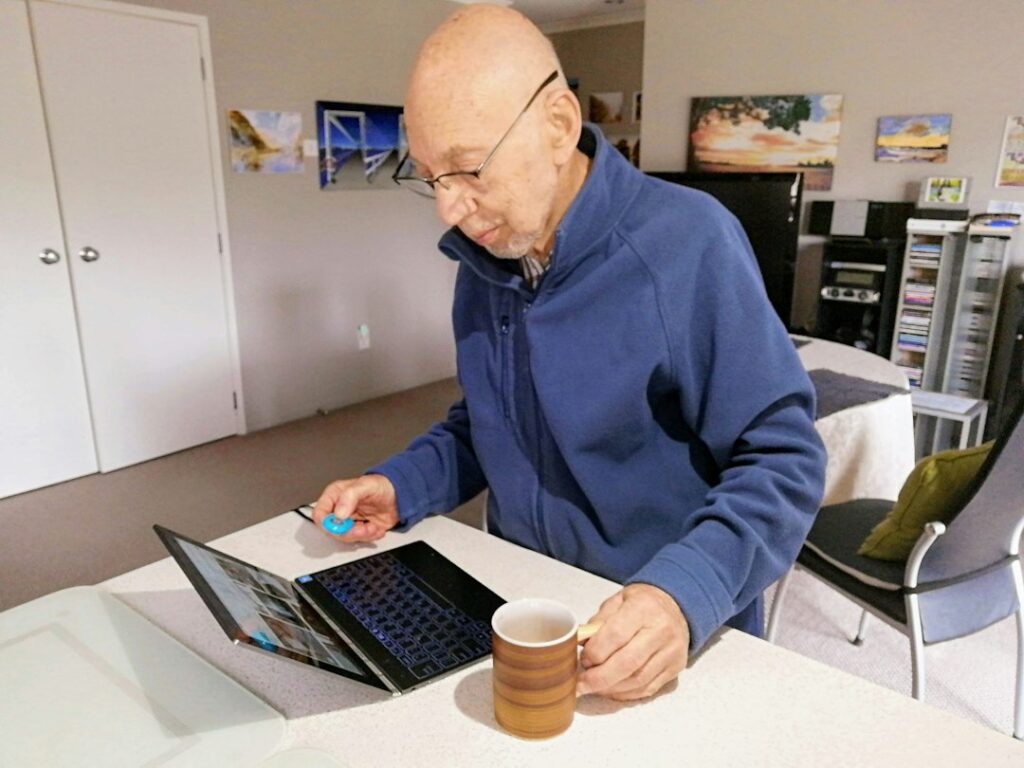
- Tablets or computers for family communication, activities, and entertainment
- Digital tools that support lighting, temperature control, or accessibility
- Systems that help staff document meals, personal care, incidents, and changes in condition
Not every residence uses the same equipment. Technology may be purchased and managed by the residence, supplied by a health care provider, or brought in by a resident or family member. The purpose should be clear before a device is introduced.
How can technology improve safety?
Technology can provide an additional layer of awareness, but it does not eliminate the need for trained staff and regular observation.
Emergency call systems allow residents to request help after a fall, sudden illness, or other urgent event. Some systems are worn on the wrist or around the neck, while others are installed near the bed or bathroom. A device is only useful if the resident can reach it, understands how it works, and knows what happens after the button is pressed.
Sensors can also alert staff to unusual movement, a door opening at an unexpected time, or a resident getting out of bed. These tools may be helpful for someone at risk of wandering or falling. However, a sensor does not diagnose the reason for the activity. A nighttime alert could reflect confusion, a need for the bathroom, discomfort, or simply a normal routine.
Families should ask whether alerts are monitored continuously, how staff respond, and what happens if the wireless network or power fails. This question is especially relevant during winter storms or outages, when backup procedures matter as much as the device itself.
Can technology help manage medications?
Yes. Electronic medication administration records can help staff document whether a medication was given, when it was given, and who administered it. Some systems provide alerts about missed documentation, changed orders, or potential timing problems.
This recordkeeping can reduce handwriting errors and make it easier to identify discrepancies. It does not mean medication decisions are made by a computer. Prescribers still determine the medication, dose, and instructions, while trained staff remain responsible for following the current order and documenting administration properly.
In Pennsylvania assisted living residences, medication storage, administration, documentation, and accountability are governed by state requirements. Electronic records must still contain accurate information and be accessible to authorized staff. A digital system is not a substitute for reviewing the medication label, the resident’s record, and the current instructions.
Residents and families may ask:
- Who can view the medication record?
- How are changes from a prescriber entered?
- How are missed doses or errors investigated?
- Is there a paper or backup process during a system outage?
- Can a resident who safely self-administers medication continue to do so?
What role does telehealth play?
Telehealth allows a resident to communicate with a health care professional through video, telephone, or another secure electronic system. It may be useful for follow-up visits, medication reviews, behavioral health appointments, or questions that do not require an in-person examination.
For someone who has difficulty traveling, telehealth may reduce transportation challenges and missed appointments. It can also allow a family member to participate in a visit from a different location, if the resident gives permission and the provider’s process allows it.
Telehealth cannot replace every examination. Chest pain, significant injury, sudden confusion, severe breathing problems, and other urgent symptoms require immediate evaluation through appropriate emergency channels. A video visit also may not provide enough information for conditions that require hands-on examination, testing, or imaging.
Before a telehealth appointment, the resident may need help with hearing, vision, positioning, internet access, and medication lists. Staff assistance can make the visit more useful, but the resident should remain involved in decisions about personal health information.
Does technology reduce loneliness?
Technology can support connection, but it works best when combined with in-person relationships and activities.
Video calls, digital photo albums, online games, music programs, and messages can help residents maintain contact with relatives and friends. For families who cannot visit regularly because of distance, work, illness, or hazardous winter driving conditions, a scheduled video call may provide meaningful continuity.
Some residents may need large text, amplified sound, simplified menus, or hands-on instruction. Others may prefer a traditional telephone, printed photographs, letters, or face-to-face conversation. Digital participation should be an option, not a measure of how engaged or capable a person is.

What are the privacy and consent concerns?
Technology can collect sensitive information about a resident’s location, movement, health, or daily habits. Families should understand what is being collected, who can see it, how long it is stored, and whether it is shared with anyone outside the residence.
A camera in a private living space raises different concerns from a doorway sensor or emergency button. Monitoring should be limited to a legitimate safety or care purpose and handled consistently with resident rights and applicable rules.
Residents should be told in plain language:
- What the device does
- When it operates
- Whether it records sound, video, or location
- Who receives alerts
- How to turn it off, if permitted
- What happens if the resident refuses it
Consent and decision-making ability can change over time. A previously accepted device may later become confusing, uncomfortable, or unnecessary. Care plans should be reviewed when a resident’s needs change.
What should families ask before accepting a technology-based service?
The most useful questions focus on practical operation, not technical features.
Ask how the system supports the resident’s specific needs, who responds to alerts, and how quickly help is expected to arrive. Confirm whether staff receive training and whether the system is tested regularly.
Also ask about:
- Battery replacement and equipment maintenance
- Internet, electricity, and cellular backup
- False alarms and how they are handled
- Accessibility for hearing, vision, memory, or mobility limitations
- Costs, if any, and who is responsible for damaged equipment
- Data security and access to records
- Procedures during storms, power failures, or network interruptions
- Whether the device can be removed if it no longer benefits the resident
Technology should make care more understandable, responsive, and coordinated. It should not create unnecessary surveillance, confusion, or dependence on a system that residents and families do not understand. In assisted living, the strongest approach usually combines straightforward tools with attentive staff, clear communication, and respect for each resident’s preferences.
