
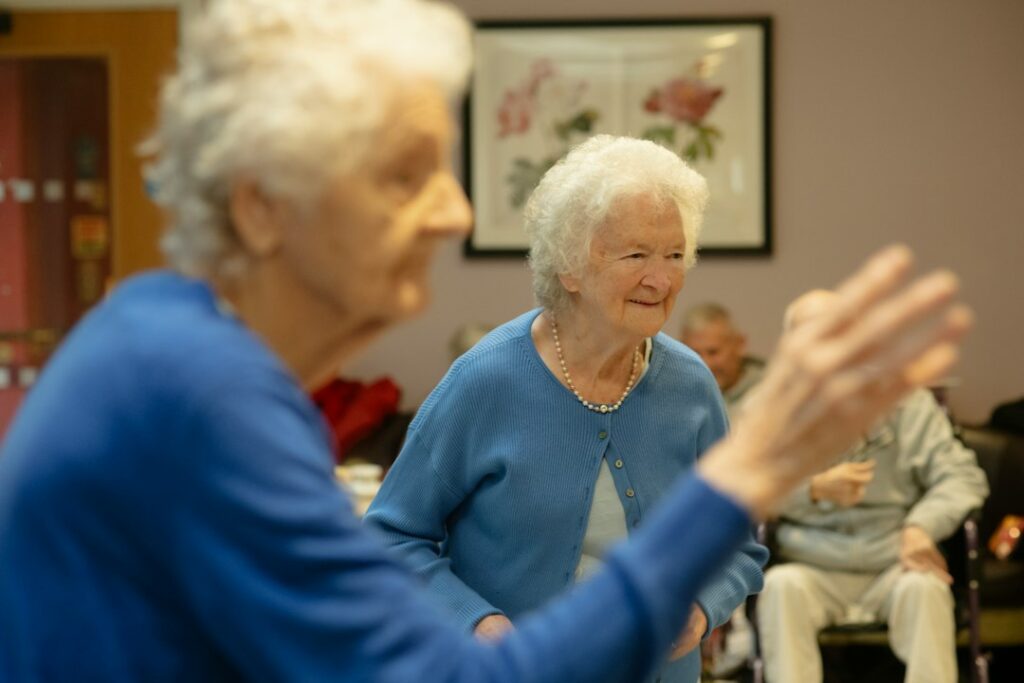
What does assisted living have to do with mental well-being?
Assisted living can support mental well-being by reducing daily stress, creating regular social contact, supporting independence, and helping residents maintain meaningful routines. It does not replace mental health treatment, but a well-structured setting can make it easier for older adults to stay connected, active, and emotionally supported.
Mental well-being includes more than the absence of depression or anxiety. It also involves feeling safe, respected, useful, connected to others, and able to make personal choices. For some residents, moving to assisted living provides practical support that protects those parts of everyday life.
How can assisted living reduce stress?
Daily tasks can become emotionally tiring when a person is managing mobility limitations, medication schedules, meal preparation, housekeeping, transportation, or concerns about falling. Even when these responsibilities seem manageable individually, handling all of them alone may create ongoing worry.
Assisted living may reduce that pressure by providing help with selected activities of daily living. Depending on the resident’s needs, support may include:
- Personal care and dressing
- Medication reminders or assistance
- Meals and hydration
- Housekeeping and laundry
- Safe movement around the residence
- Organized transportation or help coordinating appointments
The mental health benefit is often connected to predictability. Knowing that meals, assistance, and daily routines are available can reduce uncertainty. That may leave more energy for conversation, hobbies, rest, and personal interests.
Support should not mean taking away every responsibility. Residents generally benefit when they continue doing the tasks they can safely manage.
Does assisted living help with loneliness?
It can, especially for people who have become isolated at home. Older adults may spend less time with others after retirement, the loss of a spouse or friends, changes in transportation, hearing or vision loss, or difficulty leaving the house. Seasonal conditions in Altoona can also make outdoor travel and social visits harder during periods of snow, ice, or extreme cold.
Assisted living creates more opportunities for casual contact. A resident may speak with someone during breakfast, attend an activity, visit a common area, or develop a familiar routine with neighbors. These brief interactions can become meaningful relationships over time.
Social connection works best when residents have choices. Some people enjoy large group activities, while others prefer a quiet conversation, a small gathering, or shared interests with one or two people. A resident who is reluctant to join activities may respond better to an informal invitation than to pressure.
What kinds of activities support mental wellness?
Activities can benefit mental well-being when they provide enjoyment, purpose, movement, creativity, learning, or connection. The value is not limited to formal recreation programs.
Helpful activities may include:
- Music, singing, or listening sessions
- Light exercise, stretching, or walking
- Games, puzzles, crafts, or reading groups
- Gardening or seasonal decorating
- Cooking-related activities
- Religious or reflective practices
- Conversations about local history and personal memories
- Intergenerational visits with family members
- Small discussion groups or educational programs
Pennsylvania assisted living regulations call for daily activities that encourage involvement with other residents, family, and the community. In practice, meaningful programming should account for different abilities, cultures, interests, and energy levels.
A resident does not have to participate in everything. Choosing not to attend an activity is also a form of personal choice. The more useful question is whether the daily environment offers realistic opportunities for engagement.
How does assisted living preserve independence?
A common misconception is that assisted living is designed to make every decision for a resident. In a supportive setting, the goal should be to provide assistance while preserving as much independence and decision-making as safely possible.
Independence may include choosing:
- What to wear
- When to wake up or go to bed
- Which activities to attend
- How to arrange personal belongings
- What foods or routines are preferred
- How often to receive visitors
- Which personal goals to pursue
Maintaining control over ordinary decisions can strengthen confidence. It also helps residents remain connected to their identity rather than feeling defined only by age or health needs.
Families sometimes focus heavily on physical safety while overlooking emotional effects. Excessive restrictions, limited privacy, or making decisions without involving the resident may contribute to frustration or withdrawal. Safety planning should be balanced with dignity and reasonable choice.
Can assisted living help residents notice changes in mood?
Regular contact with staff and neighbors may make changes in mood or behavior easier to recognize. A resident who normally joins breakfast but begins staying in the room, stops speaking with others, loses interest in favorite activities, or appears unusually anxious may need additional attention.
Possible warning signs include:
- Persistent sadness or hopelessness
- Sudden irritability or fearfulness
- Major changes in sleep or appetite
- Confusion that is new or worsening
- Loss of interest in previously enjoyable activities
- Repeated statements about being a burden
- Withdrawal from family, friends, or routine activities

These changes should not automatically be dismissed as normal aging. Depression, anxiety, medication effects, pain, hearing loss, infection, grief, and cognitive changes can all affect behavior.
Assisted living staff may observe patterns, but diagnosis and treatment require appropriate medical or mental health evaluation. Any mention of self-harm, suicide, abuse, or immediate danger requires urgent attention through emergency services or a crisis resource.
What can families do to support mental well-being?
Family involvement remains important after a move. Frequent contact does not have to mean daily visits. A predictable phone call, video conversation, letter, shared meal, or short visit can help maintain connection.
Family members can also support adjustment by:
- Asking open questions instead of only asking whether everything is “fine”
- Listening without immediately correcting or solving
- Bringing familiar photographs, music, books, or decorations
- Encouraging participation without forcing it
- Sharing updates about family life
- Noticing changes in mood, memory, appetite, or sleep
- Respecting the resident’s preferences and privacy
The transition period may include grief, relief, embarrassment, or uncertainty. A person may feel grateful for assistance and still miss a former home. Those mixed feelings are common and deserve acknowledgment.
What should Altoona residents look for in a supportive environment?
Mental well-being is influenced by the overall culture of a residence, not only by its activity calendar. Families and prospective residents may want to observe whether residents appear comfortable speaking with staff, whether common areas are inviting, and whether people have opportunities for privacy as well as social contact.
Useful questions include:
- How are residents included in activity planning?
- Can residents decline activities without being criticized?
- How are individual routines and preferences documented?
- What happens if someone becomes withdrawn or depressed?
- How are family concerns communicated?
- Are quiet spaces available?
- How are residents supported during winter weather or other periods when leaving the residence is difficult?
- Can residents continue hobbies, spiritual practices, or cultural traditions?
A supportive assisted living environment does not guarantee constant happiness. It should, however, provide structure, respect, social opportunity, privacy, and timely attention to emotional changes. Those conditions can help residents maintain a stronger sense of belonging and confidence in daily life.
