
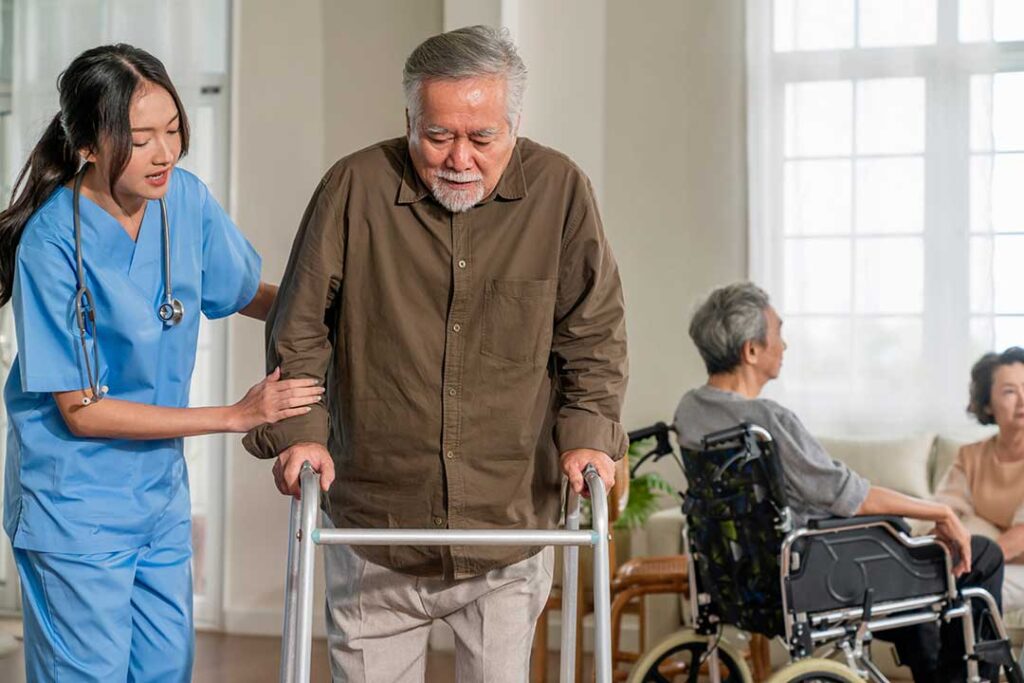
What Safety Features Are Standard in Assisted Living Communities?
Most assisted living environments incorporate a variety of safety features, both structural and procedural. These designs reflect national standards while considering the particular demands of weather, household habits, and resident lifestyles. Local facilities generally focus on three things: physical environment safety, emergency preparedness, and personal security.
Typical structural features include:
- Slip-resistant flooring in bathrooms and common areas
- Grab bars and sturdy handrails in hallways and restrooms
- Wide doorways and ramps for ease of mobility devices
- Emergency call systems in resident rooms and bathrooms
- Bright, glare-free lighting in hallways, entryways, and living spaces
These features address common risks such as falls, which can be affected by occasional snowy, icy, or wet conditions in Altoona, especially during winter months. Many buildings use additional entryway mats and non-slip surfaces to counteract traction loss during rain or snow.
How Do Emergency Alert and Response Systems Work?
Most residents are provided with wearable pendants or use wall-mounted pull cords in living spaces and bathrooms. When triggered, these systems signal staff through pagers, mobile devices, or building-wide alerts.
Emergency response typically covers:
- Immediate staff notification for falls, medical events, or distress
- 24/7 response coverage—night and day—ensuring quick attention
- Backup power for call systems in case of weather-related outages
In severe weather climates, such as Altoona’s frequent winter storms, facilities often maintain plans for possible power loss, including battery backups for life-safety systems.
Are Fire Safety Measures Different from Traditional Housing?
Assisted living environments must follow stricter fire codes than most private homes. Enhanced protections are put in place to support seniors with limited mobility, stamina, or awareness.
Standard protections often include:
- Smoke detectors and fire alarm systems with strobe lights for the hearing-impaired
- Sprinkler systems throughout residential and common spaces
- Clearly marked and unobstructed exits
- Fire-resistant building materials in key areas
Staff training includes regular fire drills and evacuation procedures, with practical consideration for residents needing extra time or support to move to safety. Some buildings feature specially protected “areas of refuge” where individuals can wait for assistance during an emergency.
How Are Outdoor Spaces Made Safer?
Outdoor areas are designed to minimize risks related to local weather or uneven terrain. For Altoona residents, this may mean planning for snow removal, leaf build-up, or wet surfaces after seasonal rain.
Usual safety measures for exteriors include:
- Smooth, well-lit walkways with sturdy railings
- Benches and resting areas placed at regular intervals
- Non-slip surface treatments for patios and stairs
- Fenced or controlled perimeters, particularly where memory care is involved
During winter, snow and ice management strategies are emphasized, such as prompt clearing of main walkways and liberal use of de-icing materials.
How Is Personal Security Handled in These Communities?
Controlled access is standard—entry doors often require keypads, fobs, or are monitored by reception staff, restricting unauthorized access. Internal security features include:
- Staff sign-in/out protocols for all vendors and visitors
- Video surveillance in common areas, never in private rooms
- Secure medication storage and administration for residents needing assistance
Personal privacy is also protected. Residents usually have individual locking doors, and all staff are trained in respectful boundaries and confidentiality practices.
How Do Staff Practices and Supervision Affect Safety?
Rigorous hiring practices, including background checks and ongoing staff training in first aid, emergency procedures, and resident care, form a core part of community safety efforts. Staffing levels are matched to resident needs, with increased supervision for those at greater risk of wandering or falls.
Regular safety checks—like routine room inspections, walk-throughs of common areas, and medication audits—help catch potential hazards before they become emergencies.
Are There Features for Residents with Memory-Related Conditions?
Specialized memory care areas offer additional safeguards:
- Secure, enclosed courtyards to allow safe outdoor activity
- Visual cues in hallways for easier navigation
- Alarmed exit doors to deter unintentional wandering
These features are especially important for those with dementia, providing an environment that is supportive without restricting independence more than needed.
What Should Residents and Families Ask About Local Climate and Safety?
It’s reasonable to ask how outdoor hazards are handled across Altoona’s climate range—such as snow removal times, maintenance of outdoor lighting, and backup plans for winter power outages. Also, clarifying procedures for emergency drills, after-hours access, and communication during emergencies can provide peace of mind for residents and their families.
