

What Are the Most Reliable Ways to Communicate With Family From Assisted Living?
Phone calls, video chats, letters, and in-person visits remain the main ways residents keep up with family and friends. Many Altoona, PA assisted living communities offer shared phone lines, Wi-Fi, and staff who can help with technology.
Residents often use:
- Landline or cell phones for regular voice calls
- Tablets or computers for video calls (like Zoom or FaceTime)
- Handwritten letters or greeting cards for a thoughtful, personal touch
- Local mail delivery for exchanging photographs, clippings, or small care packages
Not everyone is comfortable with technology. Staff or family members can demonstrate how to use video call apps; some communities also offer group lessons. For those who prefer classic letters or calls, regular scheduling (such as a weekly call on Sundays) helps build routine and reduce feelings of isolation.
How Often Can Loved Ones Visit Assisted Living Residents?
Visiting schedules depend on the rules of each assisted living community, but most in the city welcome visitors throughout the week, with some restrictions during meal or care times.
Visits may feel more limited during severe weather, cold and flu season, or public health concerns. Planning visits around special occasions, holidays, or seasonal events—such as family picnics in autumn or holiday cookie decorating days—helps residents feel closer to their traditions. If distance makes frequent visits tough, combining a call or letter with occasional in-person visits may help bridge the gap.
What Technological Tools Make Staying in Touch Easier?
Technology can play a big role if used comfortably and safely. Digital photo frames, tablets, and smartphones support more visual, interactive connections.
Examples include:
- Voice-activated assistants for calling family hands-free
- Email for sharing messages, photos, or video clips
- Social media, if residents wish, for following grandchildren's achievements or neighborhood events
Many families in Altoona teach their loved ones how to use these tools in person, especially during initial setup. Several local libraries or community centers sometimes host beginner-friendly digital literacy sessions—ideal for brushing up on tech skills in a social setting.
Are Group Activities a Good Way to Connect With the Community?
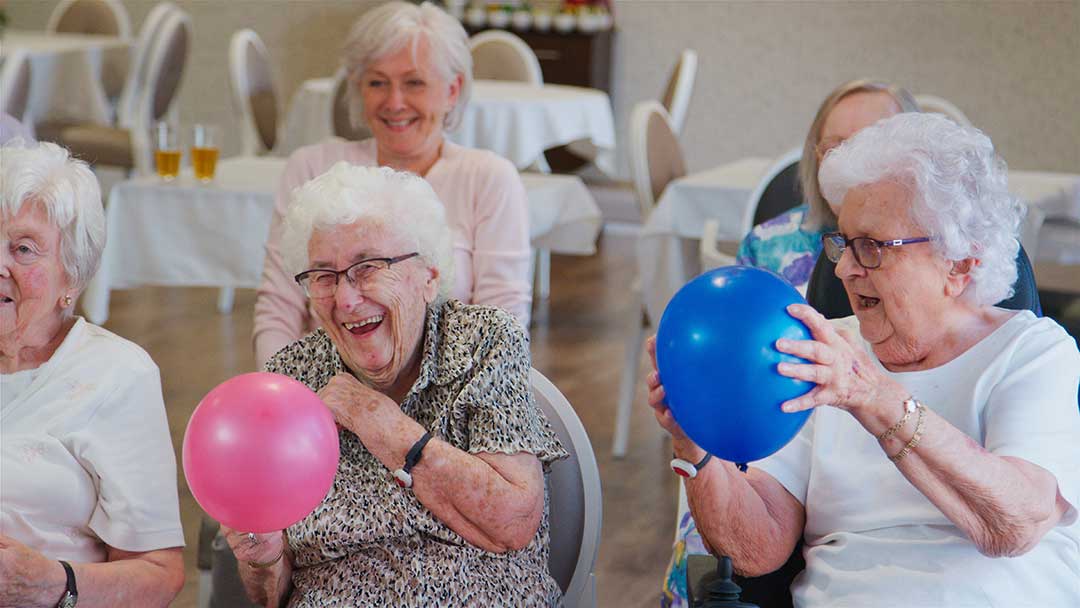
Group events offered by assisted living communities help residents stay engaged with peers and maintain an active social life, which can ease feelings of loneliness between family visits.
Common activities include:
- Game nights and puzzles
- Arts, crafts, and music sessions
- Movie matinees or book clubs
- Gardening groups, especially in spring and summer
Residents who participate in these are more likely to feel a sense of belonging, even if family members aren't present every day. Some activities, like group video chat sessions or pen-pal programs, encourage connections with people both inside and outside the community.
What Should Families Consider When Sending Mail or Packages?
Mail remains a cherished way for Altoona residents to feel remembered. To avoid lost items or delays:
- Clearly label all letters or gifts with the resident's full name and room number
- Choose weather-appropriate items (avoid perishable snacks during summer heat)
- Let staff know if something valuable or time-sensitive is being sent
Families often send crossword puzzles, recent family photos, or themed greeting cards. Creative mailing ideas—like collaborative scrapbooks or birthday countdown calendars—can brighten residents' days and spark longer conversations.
How Can Residents Stay Connected With Their Neighborhood and Local Traditions?
Participating in local traditions, whether big or small, keeps residents rooted in their community identity. Many residents enjoy:
- Seasonal events, like viewing fall leaves or watching local parades on television
- Engaging with area news, weather reports, or neighborhood newsletters
- Reminiscing about familiar landmarks through conversation or photos
Some assisted living communities coordinate group outings to public places, such as parks or museum exhibits, when weather permits. When outside participation isn’t possible, inviting local schoolchildren for music performances or arranging video tours of familiar sites helps residents maintain a sense of home.
Common Missteps and How to Avoid Them
Miscommunication often arises around scheduling, expectations, or use of technology. Some families rely on quick text messages, forgetting that not every resident is comfortable with texting. Others may not realize the emotional impact of fewer visits during harsh winter months common in the area.
Simple ways to avoid these pitfalls include:
- Confirming visit or call times to avoid overlapping with resident meals or activities
- Asking about preferred communication methods (phone, video, mail)
- Sharing upcoming family events or milestones so residents feel included, even from afar
Maintaining open, two-way communication helps everyone stay on the same page and preserves close bonds.
