
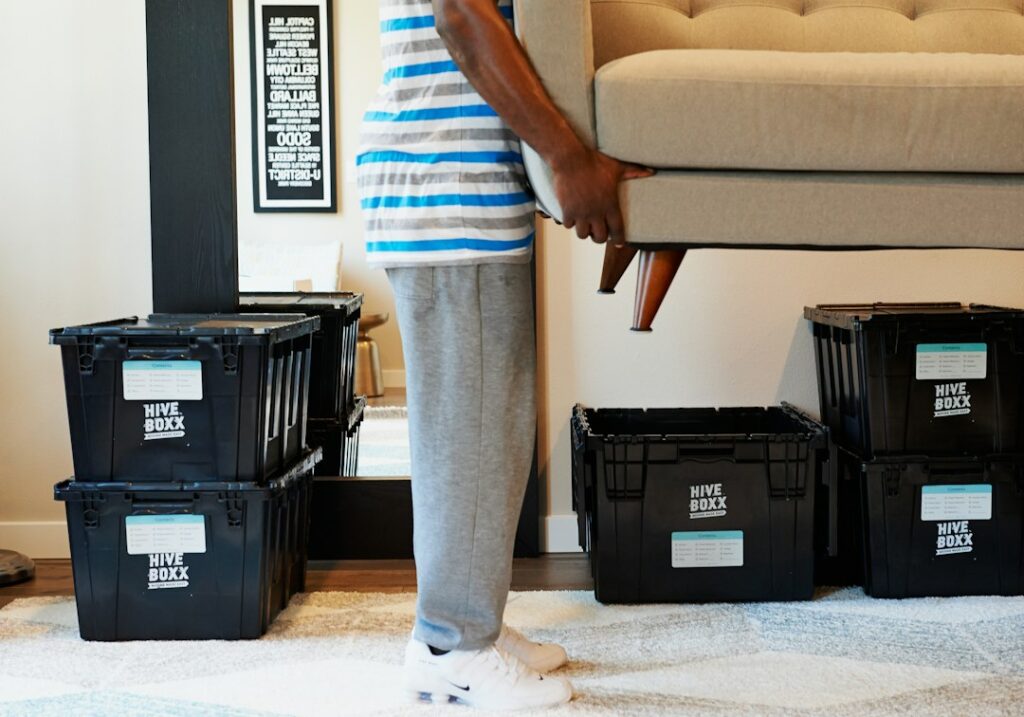
Moving into assisted living often feels easier when belongings are chosen with daily comfort, safety, and familiarity in mind. The goal is not to recreate an entire house. It is to create a manageable living space that supports routines, personal identity, and changing needs.
A thoughtful packing plan can also reduce clutter, prevent duplicate items, and make the first few days less stressful for the resident and family members.
What should be packed first?
Start with items needed during the first 24 to 48 hours. These should be easy to find rather than buried in moving boxes.
Pack a clearly labeled overnight bag or small suitcase containing:
- Comfortable clothing for several days
- Sleepwear and a robe
- Toiletries
- Prescription and nonprescription medications in their original containers
- Eyeglasses, hearing aids, dentures, and related supplies
- Important phone numbers
- Identification and insurance information
- A phone charger
- Comfortable, supportive shoes
- A light sweater or jacket
This first-day bag is especially useful if the move takes place during a winter weather event or on a day when family members need to leave before the room is fully organized. Seasonal conditions in Altoona can change quickly, so keeping a warm layer and weather-appropriate footwear available is practical even when the move occurs indoors.
How much clothing is enough?
Most residents need fewer clothes than they expect. Assisted living rooms generally have limited closet and drawer space, and excessive clothing can make dressing and laundry more difficult.
A reasonable starting point may include:
- Five to seven everyday outfits
- Two or three nicer outfits
- Seven to ten pairs of underwear and socks
- Two or three sets of sleepwear
- Two sweaters or lightweight jackets
- One warm coat
- Comfortable indoor shoes
- Supportive walking shoes
- Weather-appropriate outdoor footwear
- A hat, gloves, and scarf for colder months
Choose clothing that is easy to put on and remove. Elastic waistbands, front-opening shirts, larger zipper pulls, and soft fabrics can help residents who have arthritis, weakness, tremors, or limited shoulder movement.
Label clothing with the resident’s name, especially if laundry is handled by the residence. Fabric labels, iron-on labels, or permanent laundry markers may be used, depending on the facility’s policy.
What personal items help a new room feel familiar?
Familiar objects can reduce the feeling of being surrounded by an unfamiliar environment. A few meaningful items are usually more effective than a large collection of decorations.
Useful choices may include:
- Family photographs
- A small wall calendar
- Favorite books or magazines
- A familiar blanket or quilt
- A comfortable chair cushion
- A small clock with large numbers
- Artwork or a decorative item from home
- A radio or other approved music device
- A few hobbies that fit the available space
- A familiar scent, such as a preferred hand lotion, if allowed
Avoid packing irreplaceable heirlooms or items that would cause significant distress if misplaced. Everyday versions of favorite objects are often a safer choice.
Before hanging pictures or rearranging furniture, check the residence’s rules. Some rooms have restrictions on nails, adhesive products, candles, appliances, and furniture placement.
Which bathroom and personal-care supplies are useful?
Many residences provide basic supplies, but residents often prefer their own products. Pack only what is permitted and practical to store.
Consider including:
- Toothbrush, toothpaste, and denture supplies
- Comb, brush, or electric shaver
- Shampoo and body wash
- Moisturizer and lip balm
- Deodorant
- Nail-care supplies
- Incontinence products, if used and not supplied
- Preferred cosmetics or grooming items
- A bathrobe and non-slip slippers
Check whether electric grooming devices are permitted and whether bathrooms already contain safety equipment. Non-slip footwear is useful, but loose throw rugs should generally be avoided because they can create tripping hazards.
How should medications and health equipment be handled?
Medications should not simply be packed in a weekly organizer and placed in a moving box. Assisted living residences often follow specific medication-management procedures, and medications may need to be reviewed, stored, and administered according to facility policy.
Keep medications in their original pharmacy-labeled containers unless the residence gives different written instructions. Include:
- Prescription medications
- As-needed medications
- Inhalers
- Eye drops
- Vitamins and supplements
- Diabetes supplies
- Hearing-aid batteries or charging equipment
- Denture supplies
- Mobility aids and braces
Provide an up-to-date medication list with medication names, doses, timing, allergies, and prescribing information. The list should be reviewed whenever medications change.
Ask in advance about walkers, wheelchairs, oxygen equipment, blood-pressure monitors, heating pads, electric blankets, and other devices. Some equipment may require approval because of fire, electrical, or safety policies.

What important documents should be brought?
Important papers should be gathered in one secure, clearly marked folder. The folder should be accessible to authorized family members or representatives without being left in plain view.
Documents may include:
- Government identification
- Insurance cards
- Emergency contact information
- Medication and allergy lists
- Health care instructions
- Legal documents relevant to care decisions
- A current list of physicians and pharmacies
- Preferred hospital information, if applicable
- Copies of advance directives or related instructions
- Financial or billing information required by the residence
Do not pack original documents in an unmarked box. Keep them in a secure location and ask how the residence handles document storage and access.
What should not be packed?
Some household items create unnecessary risk or may violate facility rules. Avoid bringing belongings that are difficult to maintain, easily confused with other residents’ items, or unsafe in a smaller room.
Common items to leave behind include:
- Extension cords and overloaded power strips
- Candles, incense, and open-flame products
- Space heaters
- Loose rugs
- Large amounts of cash
- Valuable jewelry
- Weapons
- Oversized furniture
- Perishable food that cannot be safely stored
- Too many small decorative objects
- Unapproved cooking appliances
A favorite lamp, television, or small appliance may be acceptable, but electrical equipment should be checked before use. Fire-safety rules vary, so the residence’s move-in instructions should take priority.
How can families make packing easier for someone with memory loss?
For a resident living with dementia or significant memory impairment, packing should focus on recognition, routine, and safety. Too many choices may cause confusion.
Use familiar clothing, simple labels, and a limited number of personal items. Place frequently used belongings where they are easy to see and reach. Avoid changing the appearance of every item at once.
A family photograph book, labeled pictures, or a small display of familiar objects may support conversation and recognition. Items should be selected for comfort rather than decoration alone.
If the resident has a history of wandering, falls, medication errors, or difficulty identifying belongings, share those concerns during the move-in process. Clear information helps staff understand which items require supervision or special placement.
What is easy to forget during a move?
Small practical items are often overlooked because attention is focused on furniture and paperwork. Before moving day, confirm whether the residence supplies:
- Towels and washcloths
- Bed linens and blankets
- Hangers
- Wastebaskets
- Laundry bags
- Basic toiletries
- Dining utensils
- Television or internet equipment
- Cleaning supplies
- Incontinence products
Take photographs of valuable belongings before they are moved, and keep a simple inventory of electronics, jewelry, mobility equipment, and other important items. Reassess the room after the first week. Items that are unused, difficult to store, or creating a fall risk can be taken home.
A successful packing plan leaves room for adjustment. The first set of belongings does not need to be perfect; it needs to make everyday life safer, more familiar, and easier to manage.
